Agentic developers
They break a task into pieces for separate agents (UI, backend, tests, review), write the specs and exit criteria, and check the result before it reaches main.


Your team is learning to run many coding agents at once. We provide engineers who already work this way, and infrastructure people who keep it secure and the bill under control.
They break a task into pieces for separate agents (UI, backend, tests, review), write the specs and exit criteria, and check the result before it reaches main.
They set up where agents run: sandboxes, secrets, permissions, CI and logs. They also watch token spend and move suitable workloads to open-source models on Ollama or vLLM.
The skill set is new, and large tech companies pay far above market for it. A contract gets you the work without a bidding war.
If an engineer leaves the project, we bring in a replacement and handle the handover.
We set up workflows that can move between Claude, other model APIs and self-hosted models.
You tell us how your team uses agents today and where it gets stuck.
We send engineers who match. They take a short task in your environment, so you see how they work before you commit.
They join your repositories, tools and stand-ups.
You can start with one engineer for a pilot.
An agentic developer splits a task between separate agents (UI, backend, tests, review), writes the specs and exit criteria, and checks the result before it reaches main. An AI infrastructure engineer sets up the environment agents run in: sandboxes, secrets, permissions, CI and logs. They also keep an eye on token spend. Some teams need both roles, and others start with one.
Yes. On a first call you tell us how your team uses agents today and where it gets stuck, and we send engineers who match. They do a short trial task in your environment, so you see how they work with your code and tools before you commit. You can also start with one engineer as a pilot.
Our infrastructure engineers run agents in sandboxes, keep secrets out of their reach, limit permissions, route changes through CI and log what agents did. On the development side, an engineer writes the exit criteria for each agent task and checks the result before it reaches main. A person reviews generated code, and nothing is merged automatically.
Yes. AI infrastructure engineers track token spend and look for workloads that do not need a frontier model. Those can move to open-source models served with Ollama or vLLM on your own infrastructure. Savings depend on your workloads and quality requirements, so we look at your actual usage before proposing changes.
No. We set up workflows that can move between Claude, other model APIs and self-hosted models. You can switch when pricing, quality or data policies change, and you can mix providers, for example a hosted model for complex tasks and a self-hosted one for routine or sensitive work.
The skill set is new and hard to hire for, and large tech companies pay far above market for it. A contract gets you the work without a bidding war. If an engineer leaves the project, we bring in a replacement and handle the handover, so your team keeps its pace. Engineers join your repositories, tools and stand-ups.
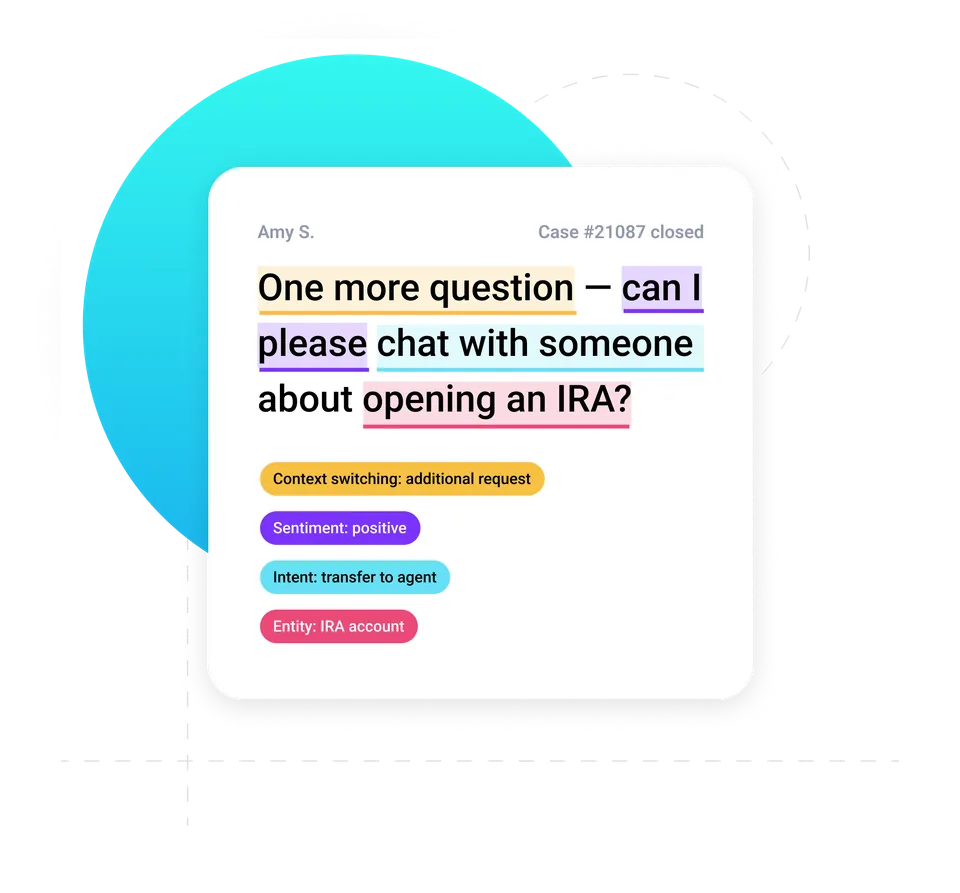 IT
90% accuracy in customer ticket resolution
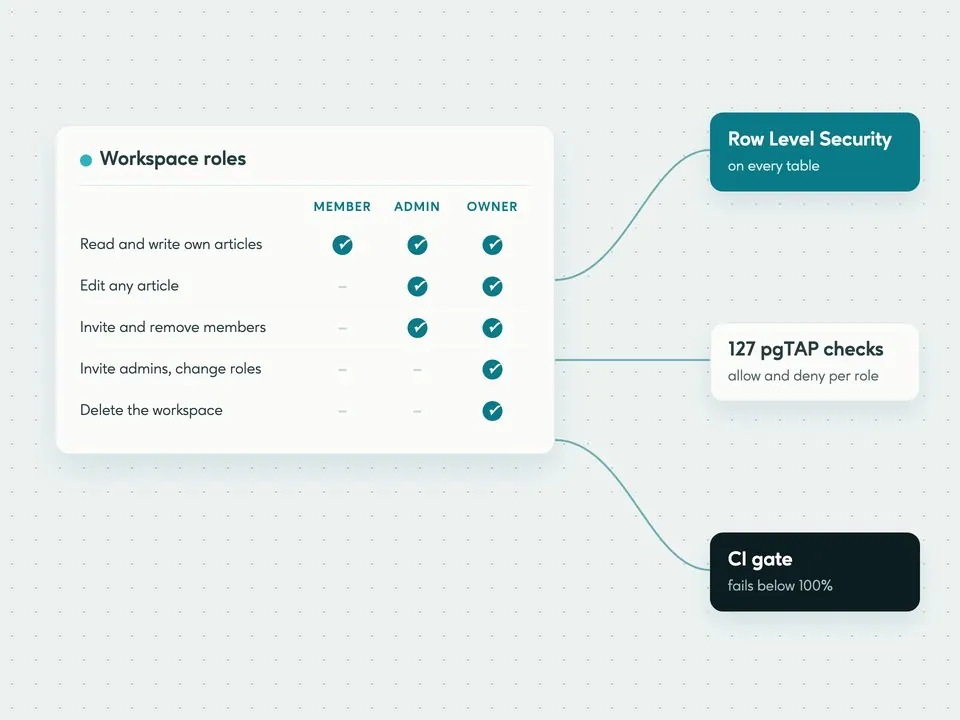 SaaS
Workspaces, roles and invites for a knowledge base SaaS, with access rules enforced in the database and tested at every layer
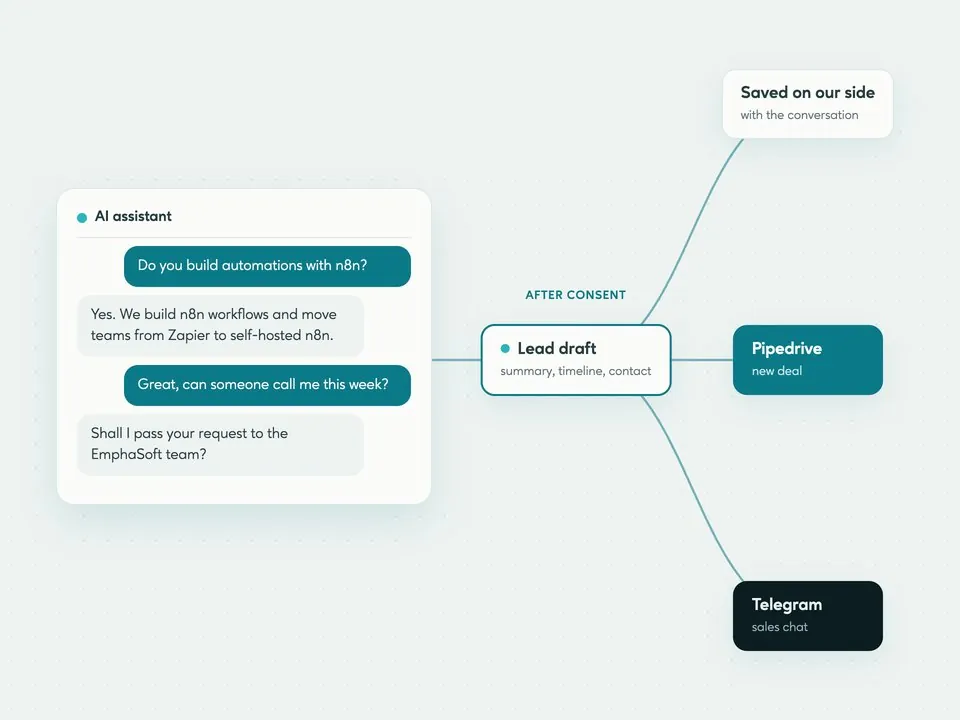 IT services
An assistant on our own site that answers from our pages and hands qualified requests to the sales team
Answers from our site, powered by AI
AI-generated answers may be inaccurate. Messages are processed by a third-party AI provider. Privacy policy